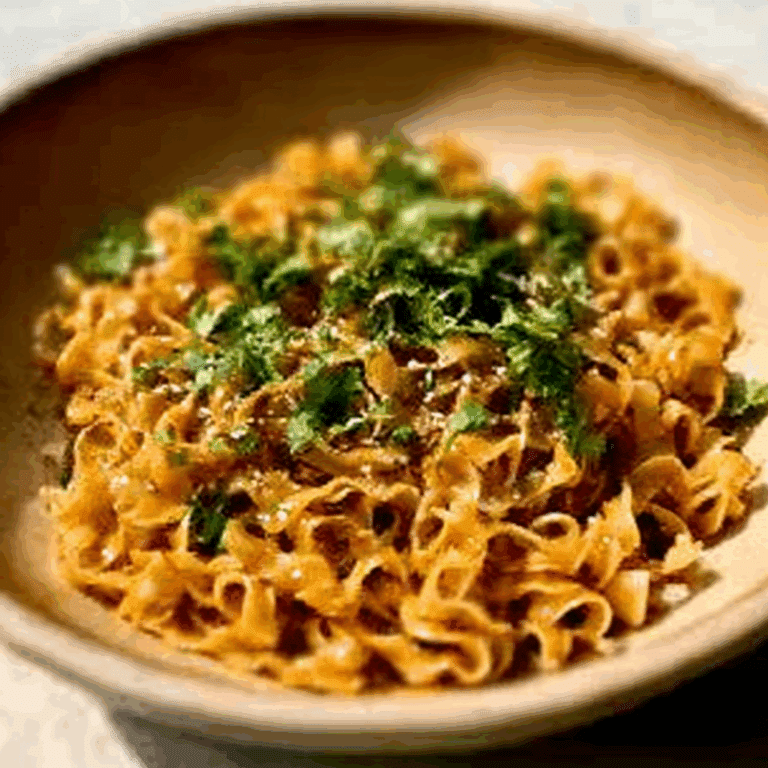
Couscous Traditionnel

If you’ve ever wanted to experience the heart of North African cuisine, learning how to make Couscous Traditionnel perfectly is a must. This dish combines fluffy, steamed semolina grains with richly spiced vegetables and tender meats, creating a comforting yet vibrant meal that feels both simple and exquisite. Whether you’re new to couscous or aiming to refine your technique, this guide will help you achieve those light, flavorful results every time for an authentic, satisfying experience.
Why You’ll Love This Recipe
- A classic comfort: Couscous Traditionnel brings warmth and nostalgia with each delicious bite, perfect for family dinners or festive gatherings.
- Easy to master: With straightforward steps and minimal fuss, this recipe is accessible to cooks of all skill levels.
- Flexible and versatile: You can adapt the dish based on what ingredients you have, making it ideal for any season or dietary preference.
- Nutritious and wholesome: Loaded with veggies, spices, and proteins, it offers a balanced, satisfying meal.
- Impressively fragrant: The aromatic blend of spices enhances every grain and bite, making your kitchen smell irresistible.
Ingredients You’ll Need
The success of Couscous Traditionnel lies in its simple yet essential ingredients. Each component adds unique flavor, texture, or color, coming together to create a vibrant and satisfying dish.
- Semolina couscous: The base of the dish, providing the signature fluffy texture when steamed properly.
- Mixed vegetables: Carrots, zucchini, and chickpeas add sweetness, firmness, and protein balance.
- Meat choice: Lamb, chicken, or beef can be used, each bringing distinct richness and depth.
- Onions and garlic: These aromatics form the flavorful foundation of the broth and sauce.
- Spices: Ras el hanout, cumin, coriander, and cinnamon create the traditional North African aroma and taste.
- Olive oil: Used for sautéing and adding rich mouthfeel.
- Fresh herbs: Parsley and cilantro brighten the overall flavor and presentation.
- Stock or broth: For cooking the vegetables and meat, enhancing the deep, savory notes.
Variations for Couscous Traditionnel
One of the best things about Couscous Traditionnel is how easy it is to tailor it to your preferences or what’s on hand. Feel free to experiment with these variations to make the recipe truly your own.
- Vegetarian option: Omit meat and add extra chickpeas, roasted eggplant, or mushrooms for hearty flavor and texture.
- Spicy twist: Incorporate harissa or chili flakes for a warm, fiery kick that wakes up your taste buds.
- Seafood version: Replace traditional meats with shrimp or firm white fish for a lighter coastal take.
- Gluten-free adaptation: Use millet or quinoa as a couscous alternative for those needing gluten-free meals.
- Sweet touch: Add raisins or apricots for a subtle sweetness that contrasts beautifully with the spices.

How to Make Couscous Traditionnel
Step 1: Prepare the Meat and Vegetables
Start by heating olive oil in a large pot, then brown your choice of meat until it develops a golden crust. Add chopped onions and garlic, cooking until fragrant and translucent. Toss in spices like cumin, coriander, and ras el hanout to toast them lightly. Finally, add your chopped vegetables and cover everything with broth, letting it simmer until the meat is tender and the vegetables are cooked through.
Step 2: Prepare the Couscous
While the stew simmers, place the semolina couscous in a large bowl. Sprinkle with a pinch of salt and drizzle olive oil or melted butter, mixing gently to coat. Pour hot water or broth over the grains, then let them steam or sit covered for about 10 minutes to absorb the moisture.
Step 3: Fluff and Steam the Couscous
Using a fork or your fingers, fluff the couscous to separate the grains and prevent clumping. For traditional texture, steam the couscous in a couscoussier or a fine sieve over simmering stew liquid for another 15 minutes, fluffing again afterward to ensure perfect lightness.
Step 4: Assemble and Serve
Transfer the fluffy couscous to a large serving dish, mound the meat and vegetables on top, and ladle some of the rich broth over everything. Garnish with fresh herbs and enjoy your perfectly executed Couscous Traditionnel!
Pro Tips for Making Couscous Traditionnel
- Use quality semolina: It’s key for fluffy couscous grains that don’t clump together.
- Don’t rush steaming: Steaming in stages improves texture dramatically by allowing grains to absorb flavor and moisture.
- Toast your spices: Briefly cooking spices releases their oils and intensifies the dish.
- Fluff carefully: Using a fork or fingers avoids crushing the delicate grains.
- Keep broth warm: Pour warm broth over couscous for even absorption and enhanced flavor.
How to Serve Couscous Traditionnel
Garnishes
Fresh herbs like parsley and cilantro add a burst of color and lively freshness, while toasted almonds or pine nuts introduce delightful crunch. A squeeze of lemon juice just before serving brightens the entire dish wonderfully.
Side Dishes
Serve alongside robust harissa for spice lovers or a simple yogurt sauce to cool the palate. A crisp green salad or roasted vegetables complement the rich flavors without overwhelming them.
Creative Ways to Present
Try layering couscous and stew in individual bowls for personal servings, or use a large platter for a communal-style feast. Garnish creatively with edible flowers or pomegranate seeds to impress your guests visually.
Make Ahead and Storage
Storing Leftovers
Cool leftover Couscous Traditionnel promptly and store in airtight containers in the refrigerator for up to 3 days. Keep couscous and stew separate if possible to preserve texture.
Freezing
The stew with vegetables and meat freezes well; store in freezer-safe containers for up to 2 months. Avoid freezing the couscous to prevent sogginess—prepare fresh when ready to serve again.
Reheating
Reheat stew gently on the stovetop over low heat, adding a splash of water or broth if needed. Warm couscous separately by steaming or microwaving with a light sprinkle of water to revive fluffiness.
FAQs
What is the difference between Couscous Traditionnel and instant couscous?
Couscous Traditionnel involves steaming raw semolina grains over broth multiple times for a fluffy texture and rich flavor, while instant couscous is pre-steamed and dried, requiring only soaking in hot water.
Can I make Couscous Traditionnel without a couscoussier?
Yes! You can improvise by using a fine mesh sieve or a steaming basket set over a pot of simmering stew to steam the couscous gently.
What vegetables work best in Couscous Traditionnel?
Carrots, zucchini, turnips, chickpeas, and pumpkin are traditional choices that balance sweetness and texture well.
Is Couscous Traditionnel suitable for vegetarians?
Absolutely! Simply omit meat and boost the recipe with hearty vegetables and legumes for a nourishing vegetarian-friendly version.
How do I prevent couscous grains from sticking together?
Fluff couscous gently after soaking or steaming, use a bit of olive oil or butter, and steam in stages for the best separation of grains.
Final Thoughts
Couscous Traditionnel is a celebration of simple ingredients brought together with loving technique. Making it perfectly might take a few tries, but the reward is a soul-warming, flavorful dish that connects you to a rich culinary tradition. I encourage you to try this recipe, embrace the process, and share the joy of this classic meal with your loved ones.
Related Posts
PrintCouscous Traditionnel

Couscous Traditionnel is a classic North African dish featuring fluffy steamed semolina grains combined with richly spiced vegetables and tender meat. This comforting yet vibrant meal balances aromatic spices, fresh herbs, and hearty ingredients to deliver an authentic and satisfying culinary experience perfect for any occasion.
- Prep Time: 20 minutes
- Cook Time: 1 hour
- Total Time: 1 hour 20 minutes
- Yield: 4 to 6 servings 1x
- Category: Main Course
- Method: Simmering and Steaming
- Cuisine: North African
- Diet: Gluten Free (with gluten-free grain substitution)
Ingredients
Base
- 2 cups semolina couscous
- 2 tbsp olive oil or melted butter
- 1 pinch salt
- 2 cups hot water or broth
Meat and Broth
- 1 lb lamb, chicken, or beef (choice of meat), cut into chunks
- 3 tbsp olive oil
- 1 large onion, chopped
- 3 cloves garlic, minced
- 4 cups stock or broth (vegetable, chicken, or beef)
Vegetables
- 2 carrots, chopped
- 2 zucchinis, chopped
- 1 cup cooked chickpeas
Spices
- 1 tsp ras el hanout
- 1 tsp ground cumin
- 1 tsp ground coriander
- 0.5 tsp ground cinnamon
Fresh Herbs and Garnishes
- Fresh parsley, chopped (for garnish)
- Fresh cilantro, chopped (for garnish)
- Optional: toasted almonds or pine nuts
- Optional: lemon wedges
Instructions
- Prepare the Meat and Vegetables: Heat olive oil in a large pot over medium heat. Brown your chosen meat until it develops a golden crust. Add chopped onions and minced garlic, cooking until fragrant and translucent. Stir in cumin, coriander, and ras el hanout, toasting them briefly to release their aroma. Add the chopped carrots, zucchinis, and chickpeas. Pour in enough broth to cover the ingredients and simmer gently until the meat is tender and vegetables are cooked through, about 45 minutes to 1 hour.
- Prepare the Couscous: While the stew is simmering, place semolina couscous in a large bowl. Sprinkle with salt and drizzle olive oil or melted butter, mixing gently to coat grains evenly. Pour hot water or broth over the couscous, cover, and let it steam or soak for about 10 minutes to absorb the liquid.
- Fluff and Steam the Couscous: Using a fork or your fingers, gently fluff the couscous to separate the grains and avoid clumping. For a traditional texture, steam the couscous using a couscoussier or a fine sieve over simmering stew liquid for an additional 15 minutes. Fluff again to ensure light, airy grains.
- Assemble and Serve: Transfer the fluffy couscous to a large serving dish, piling it into a mound. Spoon the tender meat and vegetables over the top, then ladle some of the rich broth around and over everything. Garnish with freshly chopped parsley and cilantro, toasted nuts if desired, and a squeeze of lemon juice just before serving.
Notes
- Use quality semolina for the best fluffy couscous texture.
- Steaming in stages helps grains absorb flavor and moisture thoroughly.
- Toast spices briefly to intensify the aroma and taste.
- Fluff couscous carefully to preserve delicate grains.
- Keep broth warm when pouring over couscous for better absorption.
Nutrition
- Serving Size: 1 plate (approximately 1.5 cups couscous with stew and vegetables)
- Calories: 450 kcal
- Sugar: 6 g
- Sodium: 600 mg
- Fat: 15 g
- Saturated Fat: 3 g
- Unsaturated Fat: 11 g
- Trans Fat: 0 g
- Carbohydrates: 55 g
- Fiber: 8 g
- Protein: 25 g
- Cholesterol: 60 mg
Keywords: Couscous, North African cuisine, semolina, traditional, spiced stew, lamb, chicken, beef, vegetables, healthy meal